Different Types Of Waste: What Goes Where?
Have you ever wondered if you’re sorting your
waste correctly? Sorting your waste is a simple yet impactful way to contribute to effective waste management. Whether you’re a homeowner tackling clutter or a construction manager handling site debris, understanding what goes where can save you money, boost efficiency, and reduce environmental harm. Let’s break down the different types of waste and where they belong.
General Waste
General waste includes non-recyclable and non-hazardous materials commonly found in homes and businesses. Items like food wrappers, broken furniture, and soft plastics fall into this category. General waste is collected and sent to landfills.
Examples of General Waste:
- Household rubbish (non-recyclable).
- Soft plastics like chip packets & plastic bags.
- Worn-out or broken items that cannot be repaired or recycled.
Recyclable Waste
Recyclable waste consists of materials that can be processed and transformed into new products. Proper sorting ensures these materials are diverted from landfills and given a second life.
Examples of Recyclable Waste:
- Paper & cardboard.
- Glass bottles & jars.
- Metal cans & plastic containers (check local recycling rules for specific types).
Green Waste
Green waste refers to organic materials, primarily from gardens and landscaping projects. Proper disposal of green waste allows it to be composted or turned into mulch, reducing environmental impact.
Examples of Green Waste:
- Grass clippings & leaves.
- Branches & pruning cut-offs.
- Weeds & garden debris.
Construction & Demolition Waste
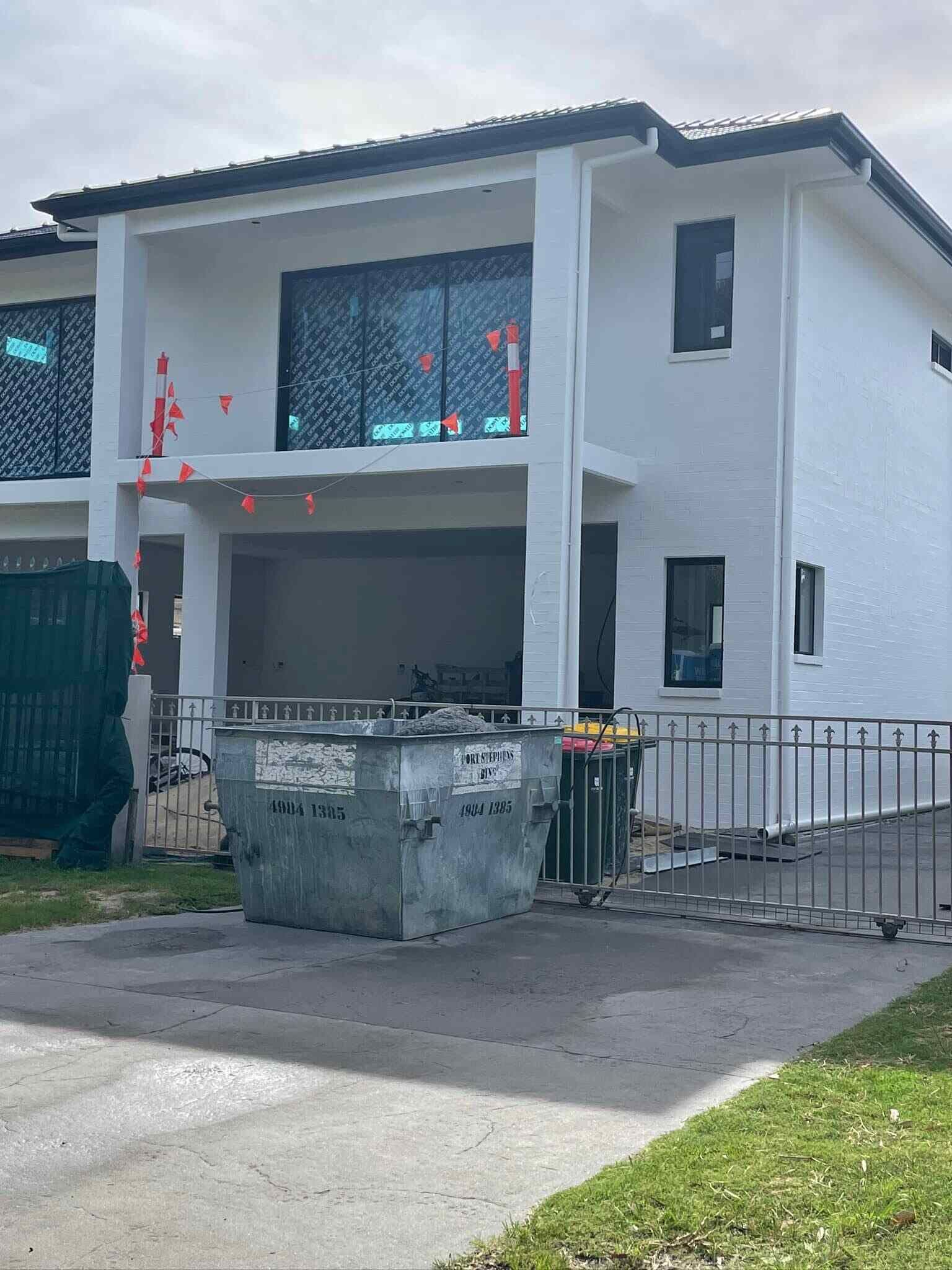
Construction and demolition (C&D) waste is common on building sites and includes materials such as bricks, concrete, and wood. Hiring a specialised skip bin ensures these heavy and bulky materials are handled safely and recycled where possible.
Examples of C&D Waste:
- Bricks, tiles, & concrete.
- Wood, metal, & plasterboard.
- Glass & non-contaminated soil.
Hazardous Waste
Hazardous waste requires careful handling and disposal due to its potential to harm the environment or human health. It includes materials like chemicals, batteries, and asbestos.
Examples of Hazardous Waste:
- Paints & solvents.
- Electronic waste (e-waste) such as old computers & TVs.
- Asbestos & medical waste.
Tip: Never dispose of hazardous waste in general bins—consult professionals for safe disposal.
Why Proper Waste Segregation Matters
Sorting waste correctly helps reduce landfill contributions, enables recycling, and protects the environment. It’s also a more cost-effective way to manage disposal, as specialised bins can reduce fees associated with mixed waste. For businesses and organisations, proper waste management demonstrates environmental responsibility, which can enhance your reputation.
Simplify Your Waste Management With Us!
At
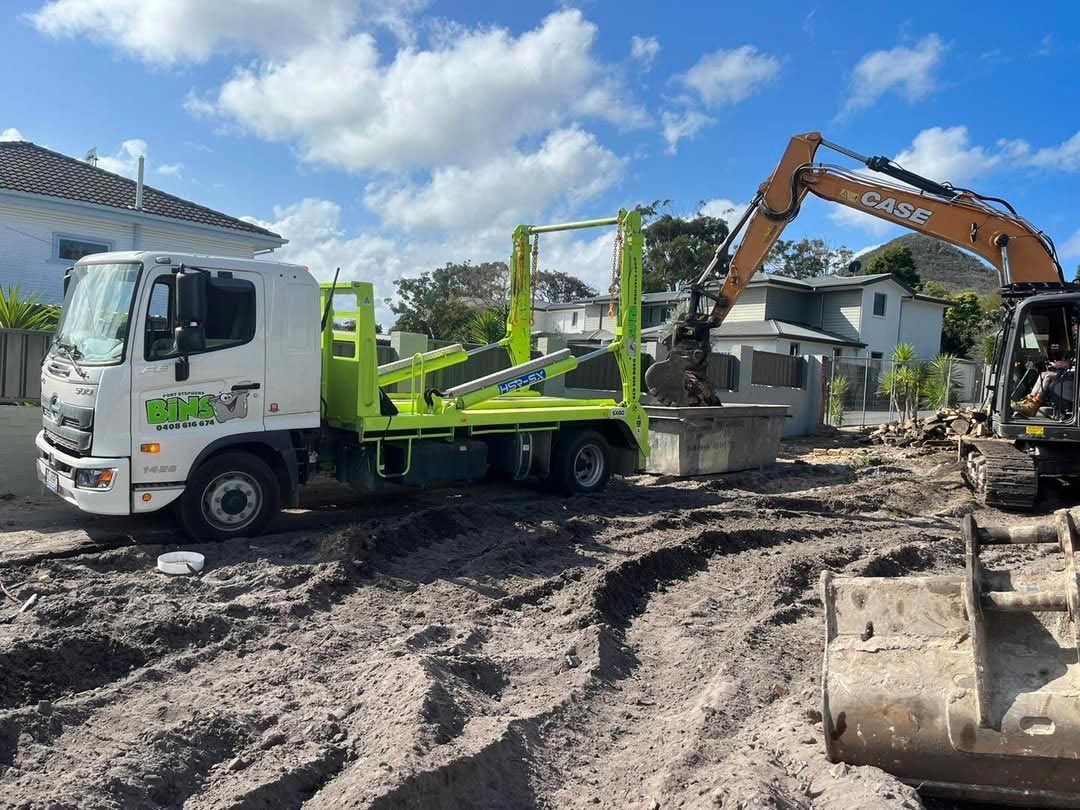
Port Stephens Bins, we offer skip bin hire to help you sort and dispose of waste effectively. Whether it’s general rubbish, green waste, or construction materials, our tailored bin solutions make waste segregation easy and hassle-free. For reliable skip bin hire in Port Stephens,
contact us today!