The Process Of Skip Bin Delivery & Collection
For anyone organising skip bins Port Stephens wide, understanding how the delivery and collection process works can remove a lot of uncertainty. First-time users often worry about choosing the right bin, preparing their site or knowing what happens once the bin is full. The reality is that skip bin hire is designed to be straightforward when each step is clearly explained. From booking through to final pickup, a well-managed process makes waste removal easier, safer and far more efficient for households and businesses alike.
Booking Your Skip Bin & Choosing the Right Size
The process starts with booking your skip bin and selecting a size that matches your project. Choosing the right bin upfront helps avoid overflow, weight issues or the need for an extra hire later. Projects vary widely, from small garden clean-ups to full renovation jobs, so size selection matters.
When booking, providers will usually ask about the type of waste and the estimated volume. This ensures the bin supplied is suitable for both capacity and disposal requirements.
Key factors to consider when booking include:
- The type of waste you plan to dispose of
- The approximate volume of rubbish
- The space available for bin placement
- The length of hire required
If you are unsure, reviewing guides like this one can help:
How to Choose the Right Skip Bin Hire in Port Stephens for Your Project
Confirming Waste Type & Hire Details
Once the bin size is selected, the next step is confirming the waste category. Skip bins are designed for specific waste types, such as general waste, green waste or construction debris. Mixing waste incorrectly can lead to additional charges or delays during collection.
During confirmation, hire terms such as duration and allowable weight are also clarified. Most hires run for a standard period, giving you enough time to complete your clean-up without rushing.
Details typically confirmed at this stage include:
- Waste category and restrictions
- Hire duration
- Weight limits
- Delivery and collection arrangements
Preparing Your Site for Skip Bin Delivery
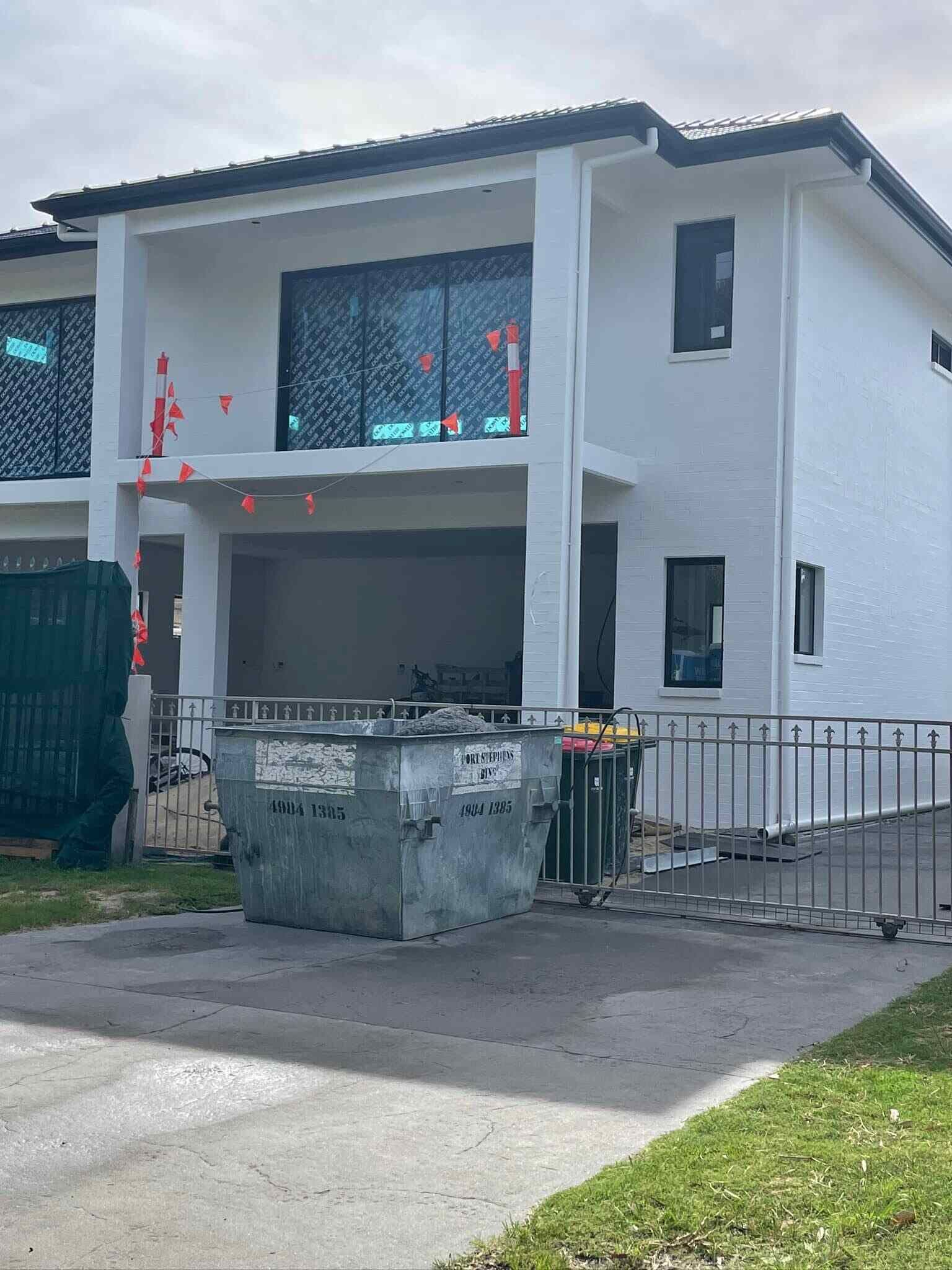
Preparing your site properly ensures delivery goes smoothly and safely. The bin needs a flat, accessible area with enough clearance for the truck to place it accurately. Driveways, hard-packed ground or designated site areas are usually ideal.
Clear any obstacles before delivery day, including vehicles, low branches or loose materials. This helps prevent delays and avoids damage to surrounding areas.
Site preparation tips include:
- Ensuring clear access for the delivery truck
- Choosing a level surface for stability
- Protecting driveways if required
- Allowing enough space for doors to open
What Happens on Skip Bin Delivery Day
On delivery day, the driver arrives at the agreed time and positions the bin according to your instructions. Experienced operators place bins carefully to ensure easy access while maintaining safety.
Once the bin is in place, it is ready to be filled at your convenience. There is no need for supervision during delivery unless access instructions are required.
Delivery day usually involves:
- Safe positioning of the bin
- Minimal disruption to your site
- Quick and efficient drop-off
- Confirmation of placement
Filling Your Skip Bin Correctly
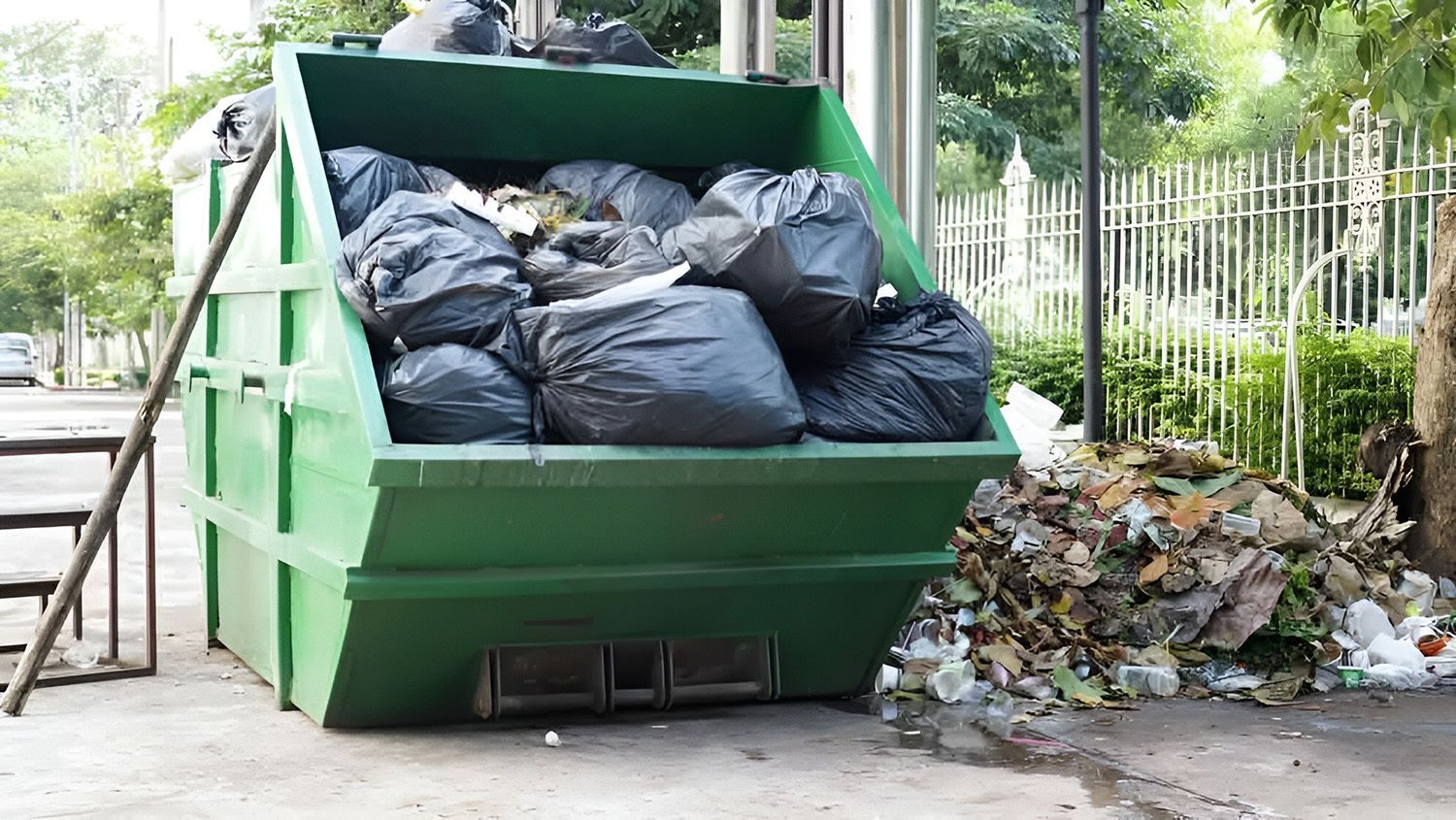
How you fill your skip bin affects safety, capacity and collection. Waste should be distributed evenly to prevent overloading one side. Items should never extend above the rim, as this creates transport hazards.
Understanding what can and cannot go into the bin is essential. Certain materials require special handling and cannot be placed in standard skip bins.
General filling guidelines include:
- Keep waste level with the top edge
- Distribute weight evenly
- Do not place prohibited items inside
- Follow the waste category rules
Correct filling ensures collection happens without delays or additional fees.
Managing Waste Efficiently During Hire
To get the most out of your hire period, plan your clean-up before filling the bin. Breaking down bulky items and organising waste as you go helps maximise space.
For renovation or construction projects, filling progressively rather than all at once helps maintain access and safety on site.
Efficient waste management tips include:
- Flattening boxes and packaging
- Cutting larger items into manageable pieces
- Grouping similar materials together
- Avoiding unnecessary air gaps
What Happens When Your Skip Bin Is Full
Once your skip bin is full, the next step is arranging collection. In many cases, collection is scheduled automatically at the end of the hire period. If the bin fills sooner, you can request early pickup or replacement if needed.
Clear access must be maintained on collection day, just as it was for delivery. This allows the truck to remove the bin safely and efficiently.
Collection preparation includes:
- Ensuring nothing blocks access
- Confirming waste does not exceed limits
- Securing loose items inside the bin
- Notifying the provider if plans change
The Skip Bin Collection Process Explained
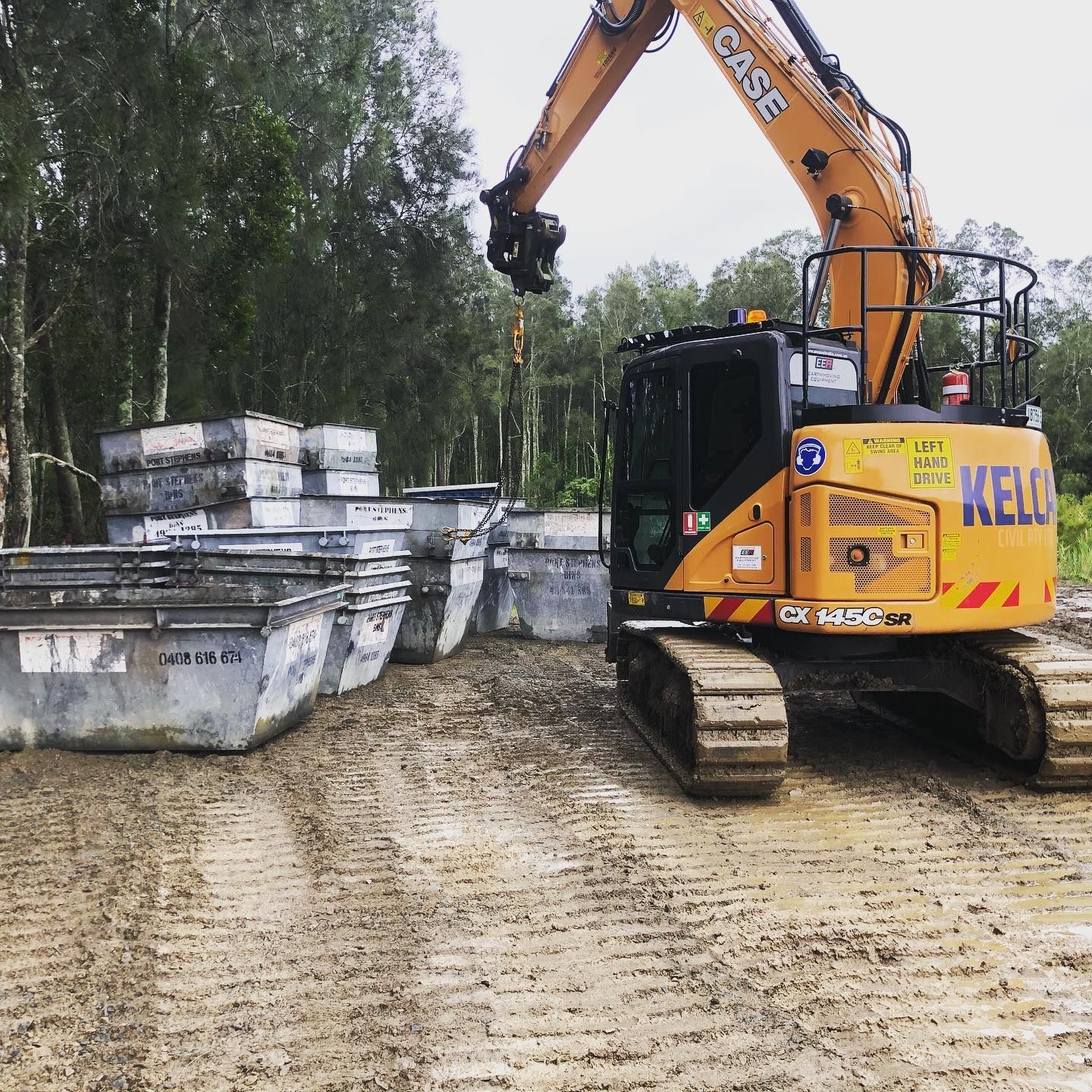
On collection day, the driver arrives and lifts the bin onto the truck using specialised equipment. The process is quick and does not require your presence unless site access is restricted.
Once collected, the waste is transported for sorting and disposal according to environmental regulations. Recyclable materials are separated where possible to reduce landfill impact.
The collection process involves:
- Safe lifting and loading of the bin
- Transport to approved disposal facilities
- Sorting of recyclable materials
- Responsible waste handling
How Waste Is Sorted & Disposed Of
After collection, waste does not simply go straight to landfill. Many materials are sorted to recover recyclables and minimise environmental impact. This process supports responsible waste management practices.
By using skip bins Port Stephens services, users contribute to more efficient waste handling systems that prioritise recycling and proper disposal.
Waste handling typically includes:
- Sorting recyclable materials
- Separating green waste where applicable
- Managing heavy materials like concrete
- Complying with disposal regulations
Common Questions First-Time Skip Bin Users Ask
First-time users often have similar concerns about skip bin hire. Understanding the process helps remove hesitation and ensures a smooth experience.
Common questions include:
- How long can I keep the bin
- What happens if I exceed the weight limit
- Can the bin be moved once placed
- What items are not allowed
Clear communication during booking helps address these questions early.
Avoiding Common Mistakes With Skip Bin Hire
Mistakes usually occur when users underestimate waste volume or mix prohibited materials. Both issues can be avoided with careful planning and clear guidance.
Choosing the right bin size and understanding waste rules from the start prevents unnecessary costs or delays.
Common mistakes to avoid include:
- Underestimating rubbish volume
- Overfilling the bin
- Mixing waste categories
- Blocking access on collection day
Why Understanding the Process Makes a Difference
Knowing how skip bin delivery and collection works gives first-time users confidence. It removes uncertainty and ensures the hire process supports your project rather than complicating it.
A clear process saves time, reduces stress and allows you to focus on the task at hand.
A Simple & Stress-Free Way to Manage Waste
At Port Stephens Bins, we make skip bins, Port Stephens wide, easy to organise, deliver and collect. From helping you choose the right bin to managing responsible disposal, our team keeps the process clear and hassle-free. If you are booking a skip bin for the first time and want a straightforward experience, visit our website or get in touch to arrange your skip bin delivery with confidence.