What Is The Best Skip Bin For Landscaping Projects?
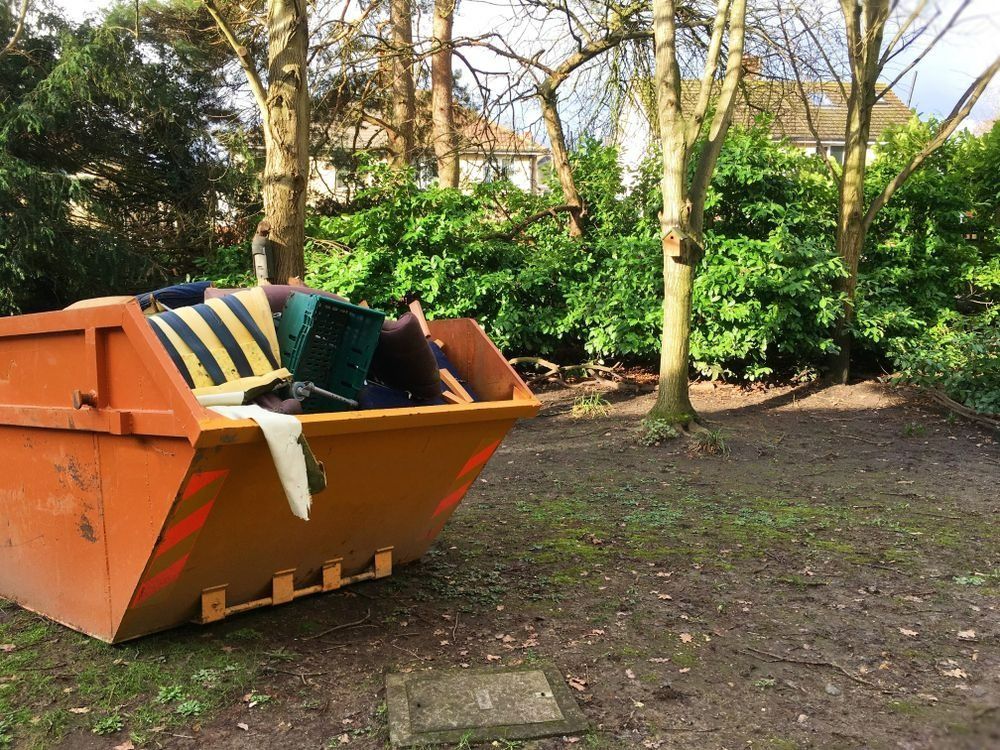
A landscaping project might start with a vision of a transformed backyard, but it almost always ends with a significant volume of waste that needs to go somewhere. Soil, turf, branches, pavers, old garden edging and general green waste can pile up faster than most homeowners expect. Choosing the right skip bin hire in Port Stephens before the project starts saves time, avoids multiple trips to the tip and keeps the site manageable while work is underway. This guide helps homeowners, landscapers and property managers understand which bin size suits different types of landscaping waste and how to get the most out of their hire.
Why the Type of Waste Matters More Than You Think
Not all landscaping waste is created equal, and the type of material you are disposing of affects which bin is appropriate just as much as the volume does. This is particularly important for landscaping projects because some of the most common materials — soil, concrete pavers and rubble — are significantly heavier per cubic metre than general household waste or green waste.
A bin that looks partially filled with soil or pavers can already be at or near its weight limit. Choosing a bin based on volume alone without considering weight can result in additional charges when the bin is collected and weighed at the tip. Understanding the difference between green waste, soil and mixed or builders waste before booking your skip bin hire in Port Stephens ensures you get the right bin for the actual material coming off your site.
Green Waste: Branches, Clippings and Garden Material
For projects that are primarily garden-based — clearing overgrown beds, removing hedges, pruning trees or doing a general tidy — a dedicated green waste bin is often the most cost-effective option. Green waste bins are typically cheaper than general waste bins because the material can be taken to a composting or green waste processing facility rather than landfill.
Accepted green waste generally includes:
- Tree branches, prunings and trimmings
- Lawn clippings and grass
- Leaves and leaf litter
- Weeds and pulled plants
- Shrubs and garden beds cleared of organic material
For a small to medium garden clean-up in Port Stephens, a 2m³ mini skip is often sufficient. For larger jobs involving significant tree removal, clearing established garden beds or tackling an overgrown property, a 3 to 4m³ bin is a more practical choice. It is worth erring on the side of slightly too large rather than too small, as an overfilled bin cannot be legally transported.
Soil and Turf: Heavy Material Needs the Right Bin
Soil is one of the heaviest materials a skip bin can carry, and it is one of the most common components of landscaping waste. Re-grading a yard, installing a new lawn, building raised garden beds or levelling a site for a deck or patio all generate significant volumes of excavated soil and removed turf.
Some providers offer specific waste categories for soil, which is important because mixing soil with general or green waste can complicate disposal and may attract additional charges. When booking skip bin hire for a project involving soil, let the provider know upfront so the right bin and weight allowance can be arranged.
As a guide, even a small landscaping job can produce a surprisingly heavy volume of soil. A few wheelbarrow loads of compacted fill can quickly approach the weight limit of a smaller bin. For soil-heavy projects, a 2m³ bin filled to a moderate level is often preferable to a larger bin filled to the top, as the weight can exceed what a larger volume of lighter waste would produce. Checking the bin options available will help you understand the weight inclusions for each size before you commit.
Pavers, Rubble and Small Construction Debris
Landscaping projects that involve removing old paving, demolishing garden walls, pulling up concrete edging or replacing a patio fall into a heavier waste category. Pavers, bricks, concrete and rubble are extremely dense and must be managed carefully when it comes to bin selection.
These materials are typically classified as builders waste or heavy waste rather than green waste, and they carry different pricing and weight limits accordingly. Mixing heavy rubble with lighter green waste in the same bin can also push a load over its allowable weight threshold, so it is generally better to keep material types separate where possible.
For a paving removal or small demolition component as part of a larger landscaping project, discussing the waste mix with your provider before booking is the most reliable way to ensure the right bin is selected and there are no surprises on collection day.
Mixed Landscaping Projects: Choosing a General Waste Bin
Many landscaping jobs involve a combination of waste types — some green waste, some soil, some old timber garden edging, perhaps a few pavers or concrete pieces. In these cases, a general waste bin that accepts mixed materials is often the most practical solution, even if it costs slightly more than a dedicated green waste bin.
For a typical residential backyard makeover in Port Stephens involving a mix of garden clearance, some soil removal and minor demolition, a 4 to 6m³ general waste bin is a commonly suitable choice. It provides enough volume for the variety of materials involved without committing to a larger bin than the project requires.
If you are unsure about which category your landscaping waste falls into, it is always worth calling ahead before booking to describe your waste mix and confirm the right bin type. The team can advise on the right option when you get in touch to arrange your skip bin hire in Port Stephens.
Practical Tips for Getting the Most Out of Your Bin
Choosing the right bin is the first step, but loading it well makes a difference too. A few practical tips for landscaping projects:
- Place heavier items such as soil and pavers at the bottom of the bin and lighter material on top
- Break down branches and woody material where possible to reduce air gaps and fit more in
- Do not fill the bin above the rim — overfilled bins cannot be legally transported and may need material removed before collection
- Place the bin on a firm, flat surface such as a driveway rather than soft lawn, particularly if the bin will hold heavy material
- Think about where on the site the bin will be most convenient to load before confirming placement with the driver on delivery
Book Your Landscaping Skip Bin With Port Stephens Bins
Port Stephens Bins supplies skip bin hire across Port Stephens and surrounding areas including Nelson Bay, Medowie, Raymond Terrace, Karuah, Tea Gardens and Stockton, with bins ranging from 2m³ to 9m³ to suit projects of every scale. Whether your landscaping job is a weekend garden tidy or a full backyard renovation, get a quote today to find the right bin for your project.